
Student Portal - info@chntc-tamale.edu.gh +233(0)372-022690
  • Home
  • About Us
    • History
    • Mission and Vision
    • Staff
  • Administration
    • General Office
    • Finance
    • Academic Coordinator
    • Procurement
    • Dean of Students
  • Academics
    • Computer Laboratory
    • Programs
    • Skills Laboratory
    • Library
  • Gallery
  • Blog
  • Contact Us

Month: July 2021

  • Posted on January 27, 2026 by Mohammed Sherif Sulemana

Academic Committee Inauguration

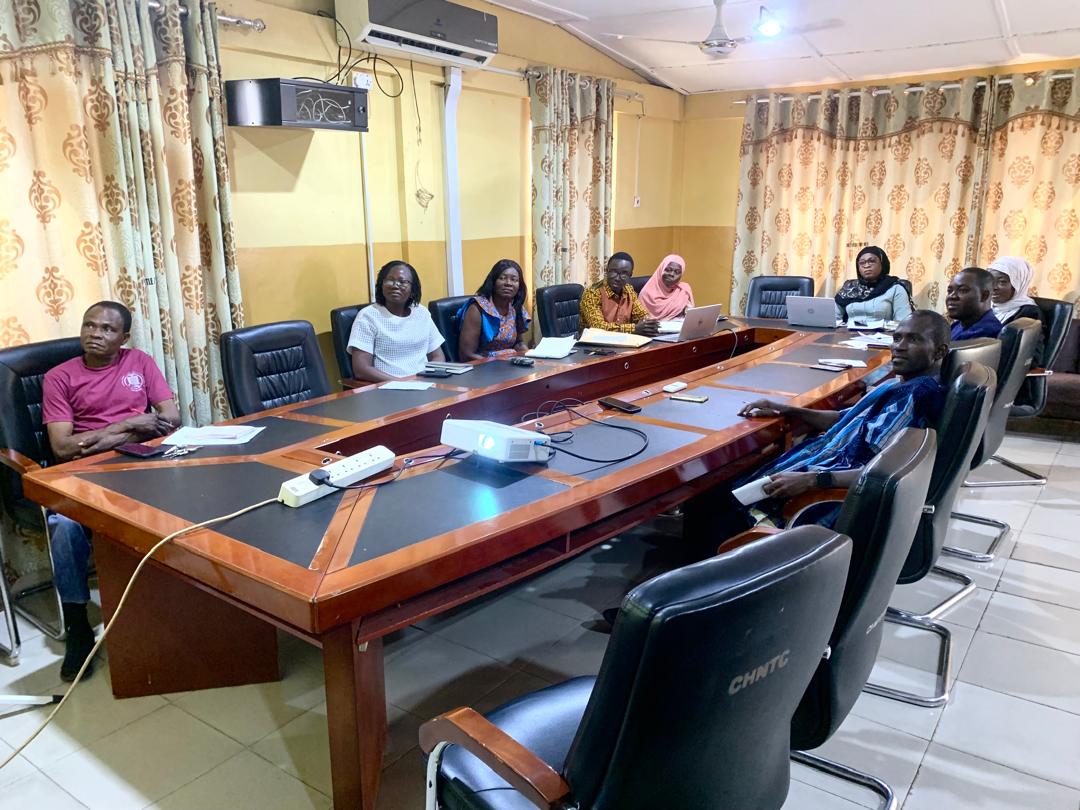
The Community Health Nurses Training School has officially inaugurated its Academic Committee, marking a significant milestone in the institution’s ongoing commitment to academic excellence, quality assurance, and effective governance.

The inauguration ceremony brought together key members of management, who will collectively serve on the committee. The Academic Committee is mandated to provide strategic oversight and guidance on academic matters, including curriculum implementation, teaching and learning standards, assessment procedures, and continuous improvement of academic delivery.

During the session, members were briefed on their roles and responsibilities, emphasizing collaboration, accountability, and adherence to regulatory and professional standards governing health training institutions. The committee is expected to play a vital role in strengthening academic policies, enhancing instructional quality, and ensuring that graduates are well-prepared to meet the demands of the healthcare system.

The establishment of the Academic Committee underscores the school’s dedication to maintaining high educational standards and fostering a structured approach to academic decision-making. It also reflects management’s commitment to inclusive leadership and stakeholder participation in advancing the school’s academic vision.

Management expressed confidence in the committee’s capacity to contribute meaningfully to the growth and development of the institution and encouraged members to work diligently in the interest of students, staff, and the broader healthcare community.

The Community Health Nurses Training School remains resolute in its mission to train competent, ethical, and community-oriented preventive and public health professionals who will contribute positively to national health outcomes.

Read More
Recent Posts

  • Academic Committee Inauguration
  • Annual Performance Review Presentations: Strengthening Accountability and Excellence at the Community Health Nurses’ Training College
  • Strengthening Communication Skills: A Cornerstone for Effective Community Health Nursing Education
  • A Message of Peace and Goodwill from the Principal of CHNTC
  • Principal’s Address Inspires New Trainees at the 2025 Matriculation Ceremony

Archives

  • January 2026
  • December 2025
  • November 2025
  • July 2021

Categories

  • blog
  • resources
  • Uncategorized
  • Posted on January 19, 2026 by Mohammed Sherif Sulemana

Annual Performance Review Presentations: Strengthening Accountability and Excellence at the Community Health Nurses’ Training College

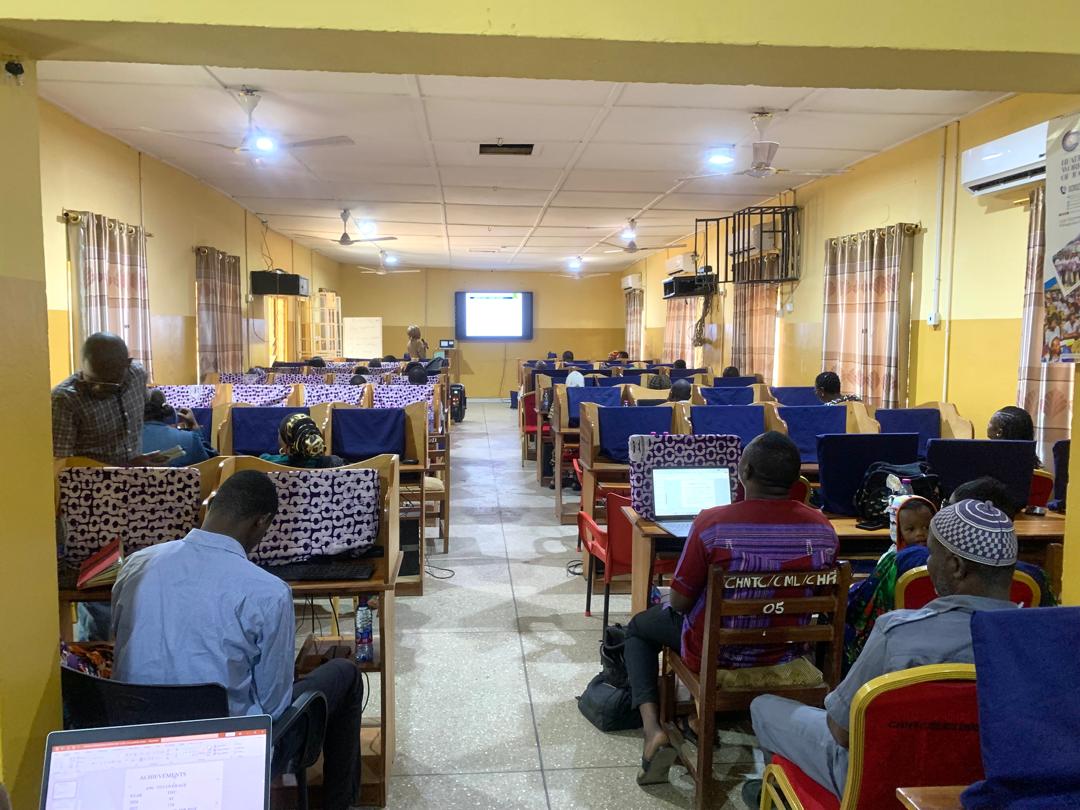
Annual performance review presentations by unit heads are a cornerstone of effective governance and continuous improvement at the Community Health Nurses’ Training College. These presentations provide a structured platform for reflection, accountability, strategic alignment, and forward planning across all departments that contribute to the training of competent community health nurses.

At our College, unit heads including the Principal, Administrator, Quality Assurance Officer, IT Officer, Librarian, Clinic Head, Internal Auditor, Procurement Officer, Stores Officer, Accounts Officer, and Academic Heads, present comprehensive reports on their activities, achievements, challenges, and plans for the coming year.

Purpose of the Annual Performance Review

The annual performance review process is designed to:

  • Assess departmental performance against set objectives and institutional goals
  • Promote transparency and accountability in the use of resources
  • Identify strengths, gaps, and areas for improvement
  • Encourage interdepartmental collaboration
  • Inform strategic planning and policy decisions
  • Enhance the overall quality of teaching, learning, and student support services

By bringing all unit heads together in a formal review setting, the College ensures that every department contributes meaningfully to institutional growth.

Key Areas Covered in the Presentations

Each unit head delivers a structured presentation tailored to their functional responsibilities. While the content may vary by department, the core areas typically include:

1. Overview of Mandate and Responsibilities

Unit heads begin by outlining the core functions of their department and how these align with the College’s mission of producing skilled, ethical, and community-oriented health nurses.

2. Annual Achievements

Departments highlight key accomplishments over the review period. These may include improvements in academic performance, enhanced student services, successful audits, upgraded IT systems, improved library resources, efficient procurement processes, or strengthened clinical training support.

3. Performance Indicators and Outcomes

Presentations often include data, statistics, and performance indicators to demonstrate outcomes. This evidence-based approach supports objective assessment and informed decision-making.

4. Challenges and Constraints

Unit heads openly discuss operational challenges such as resource limitations, staffing gaps, infrastructure needs, policy constraints, or emerging risks. This transparency fosters collective problem-solving and institutional support.

5. Financial Accountability and Resource Utilization

Units such as Accounts, Procurement, Stores, and Audit provide insights into budget utilization, compliance with financial regulations, and internal control measures, reinforcing prudent financial management.

6. Quality Assurance and Compliance

The Quality Assurance unit reports on academic standards, regulatory compliance, accreditation requirements, and continuous improvement initiatives to maintain educational excellence.

7. Plans and Targets for the Coming Year

Each presentation concludes with proposed action plans, targets, and recommendations aimed at improving efficiency, service delivery, and student outcomes in the next academic year.

Role of Leadership and Stakeholders

The Principal and senior management play a critical role in guiding discussions, providing feedback, and ensuring alignment with institutional priorities. The review sessions also create an opportunity for dialogue among unit heads, fostering teamwork and shared ownership of the College’s vision.

Where appropriate, recommendations from the presentations are documented and integrated into the College’s strategic and operational plans.

Impact on Institutional Development

Annual performance review presentations have proven to be an effective tool for strengthening institutional performance. They:

  • Promote a culture of accountability and continuous improvement
  • Enhance coordination between academic and administrative units
  • Support evidence-based planning and decision-making
  • Improve service delivery to students and staff
  • Reinforce the College’s commitment to quality health education

Conclusion

The annual performance review presentations by unit heads are more than a reporting exercise, they are a strategic process that drives excellence, transparency, and sustainable growth at the Community Health Nurses’ Training College. Through collective reflection and forward-looking planning, the College continues to strengthen its capacity to train competent nurses who meet the health needs of communities.

Read More
  • Posted on January 19, 2026 by Mohammed Sherif Sulemana

Strengthening Communication Skills: A Cornerstone for Effective Community Health Nursing Education

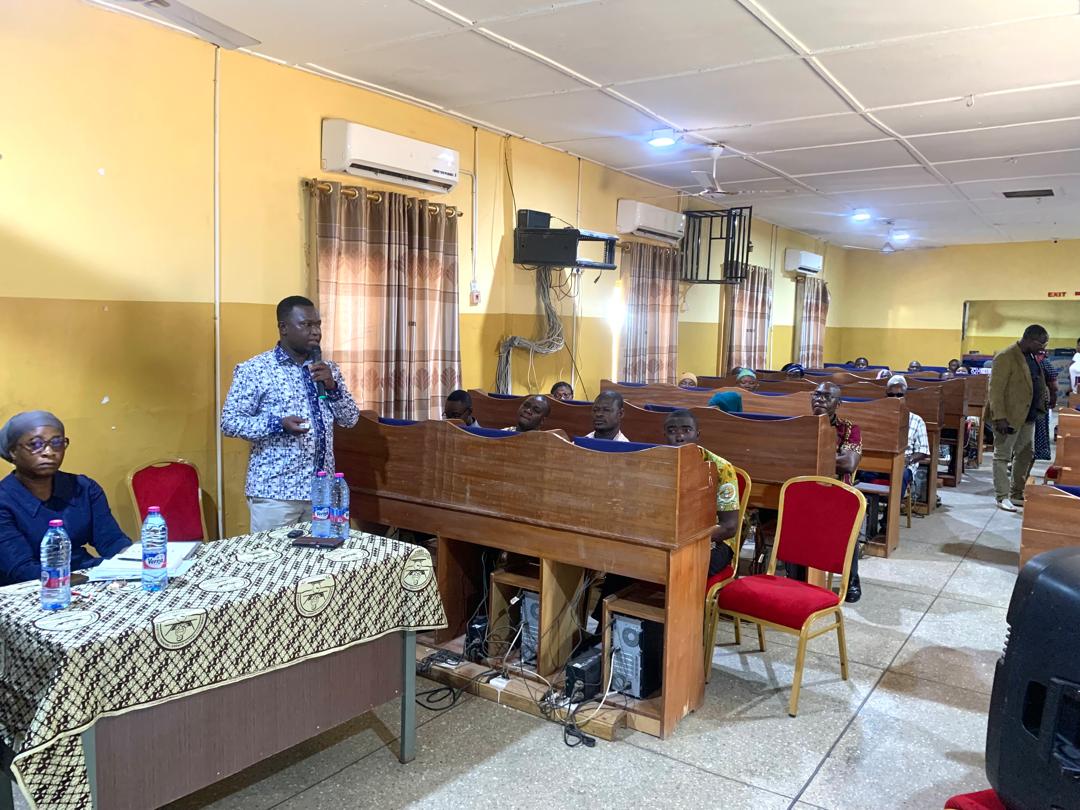
Effective communication is the heartbeat of community health nursing, and it is equally vital within our training schools. As educators, administrators, and clinical instructors, the way we communicate shapes not only learning outcomes but also professional values, confidence, and the quality of care future nurses will provide to communities.

This training is designed to strengthen communication among community health nurses’ training school staff, recognizing that clear, respectful, and purposeful communication is essential for quality education, teamwork, and student development.

Why Communication Matters in Community Health Nursing Education

Community health nurses work at the intersection of healthcare, education, and community engagement. Their ability to communicate effectively begins long before they enter the field, it starts in the classroom, skills lab, and clinical placement.

For training school staff, effective communication:

  • Enhances teaching and learning outcomes
  • Builds trust and mutual respect between staff and students
  • Reduces misunderstandings and conflict
  • Models professional behavior for future nurses
  • Promotes collaboration among academic and clinical teams

When communication is weak, even the most knowledgeable educator may struggle to achieve desired learning outcomes. When it is strong, it empowers students to think critically, ask questions, and grow into confident professionals.

Key Communication Challenges in Training Schools

Despite its importance, communication within training institutions can face challenges such as:

  • Differences in communication styles among staff
  • Hierarchical barriers that limit open dialogue
  • Inadequate feedback mechanisms
  • Cultural and generational gaps
  • High workloads that reduce time for meaningful interaction

Addressing these challenges requires intentional effort and skill-building—this is where targeted communication training becomes essential.

Core Communication Skills for Training School Staff

This training focuses on practical, everyday communication skills that staff can immediately apply in their roles:

1. Active Listening

Effective communication begins with listening. Active listening involves giving full attention, avoiding interruptions, and seeking to understand before responding. When staff listen attentively to students and colleagues, it fosters trust and openness.

2. Clear and Purposeful Messaging

Whether delivering a lecture, giving instructions in a clinical setting, or addressing staff meetings, clarity is key. Using simple language, structured messages, and checking for understanding helps prevent confusion and errors.

3. Constructive Feedback

Feedback is a powerful learning tool when delivered respectfully and objectively. Staff should aim to balance correction with encouragement, focusing on behaviors and skills rather than personal traits.

4. Non-Verbal Communication

Body language, facial expressions, tone of voice, and eye contact all send messages. Being aware of non-verbal cues helps ensure consistency between what is said and what is conveyed.

5. Empathy and Emotional Intelligence

Understanding students’ perspectives and emotional states enhances communication, particularly in high-stress academic or clinical environments. Empathy supports student well-being and improves learning relationships.

Communication as a Tool for Professional Role Modeling

Students learn not only from what we teach, but from how we interact. Training school staff serve as role models for professional communication, how to speak to patients, colleagues, supervisors, and community members.

By demonstrating respectful dialogue, conflict resolution, teamwork, and ethical communication, staff help shape the professional identity of future community health nurses.

Building a Culture of Open Communication

Beyond individual skills, effective communication must be embedded in the institutional culture. This includes:

  • Encouraging open dialogue and respectful questioning
  • Creating safe channels for feedback from students and staff
  • Promoting teamwork across departments
  • Addressing conflicts early and professionally

A culture of open communication strengthens institutional effectiveness and staff satisfaction while improving student outcomes.

Conclusion

Communication is not an optional skill, it is a core competency for community health nursing education. By strengthening communication among training school staff, we enhance teaching effectiveness, support student success, and ultimately contribute to better community health outcomes.

This training is an opportunity to reflect, learn, and recommit to communication as a professional responsibility and a powerful tool for positive change. When we communicate well, we teach better, work better, and prepare nurses who are ready to serve communities with competence, compassion, and confidence.

Read More

CHNTC, Tamale

Address: Post Office Box TL 233, Tamale

Location: Close to Sakasaka Quarters, Tamale, Northern Region, Ghana.

Phone: +233(0)372096959 / 0372025696

Email: info@chntc-tamale.edu.gh / chntc.tle@gmail.com

Useful Links

  • Nursing and Midwifery Council of Ghana
  • Ministry Of Health – Ghana
  • Ghana Health Service
  • Health Training Institutions Secretariat
  • Application Form
  • World Health Organisation

Our Links

  • Home
  • History
  • Mission and Vision
  • Staff
  • Gallery
  • Blog
  • Contact Us

Our Newsletter

© Copyright 2026 - CHNTC-Tamale. All Rights Reserved